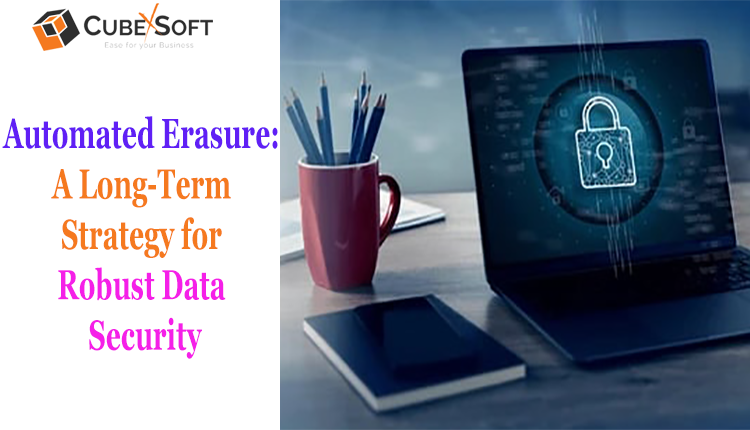
In today’s rapidly evolving digital world, data security is a top priority for individuals, organizations, and governments alike. With the growing volume of data being generated and stored daily, ensuring that sensitive information is securely erased when no longer needed has become a critical challenge. Traditional data erasure methods are often manual, prone to human error, and time-consuming. However, automated erasure has emerged as a powerful solution to enhance data security, offering several long-term benefits that improve not only the integrity of an organization’s data security posture but also its compliance with privacy laws.
What Is Automated Data Erasure?
Automated data erasure refers to the process of securely and permanently deleting data from storage devices using automated CubexSoft Data Wipe Software. This program is designed to execute erasure tasks without human intervention, ensuring that once data is no longer necessary or at the end of its lifecycle, it is completely removed to prevent unauthorized access.
Unlike traditional manual deletion methods, which often leave remnants of data behind, automated erasure solutions typically follow industry-standard protocols and employ advanced techniques such as overwriting, cryptographic erasure, or physical destruction to ensure the complete eradication of information.The Role of Automated Erasure in Data Security
1. Enhanced Compliance with Privacy Regulations
As privacy laws and data protection regulations become stricter worldwide (such as GDPR in Europe or CCPA in California), organizations face growing pressure to ensure that data is securely erased when it is no longer required. Automated erasure offers organizations the ability to enforce data retention policies and ensure compliance automatically.
Manual processes often introduce risk, as human error can lead to incomplete data removal, leaving organizations vulnerable to data breaches or regulatory penalties. Automated systems, on the other hand, follow pre-defined procedures and ensure that data is erased according to the latest legal and regulatory requirements, significantly reducing the risk of non-compliance.
2. Reduction of Human Error
Human error remains one of the leading causes of data security breaches. Manual deletion methods require a great deal of attention to detail, and even minor mistakes can result in incomplete erasure of sensitive data. Automated Data Eraser Tool operate based on pre-configured algorithms, minimizing the possibility of human error. Once activated, this tool automatically handles the data erasure process, ensuring that nothing is overlooked or improperly deleted.
3. Efficiency and Cost-Effectiveness
An automated data erasure tool saves valuable time and resources. The manual erasure of large datasets or data from multiple devices is time-consuming and requires significant human labor. This can strain organizational resources and lead to delays in the completion of critical tasks. Automated erasure streamlines this process, executing data deletion tasks swiftly and consistently, freeing up resources for other essential activities.
Moreover, automated erasure tools can often be integrated with enterprise systems, making the process more efficient and enabling users to erase data across multiple platforms simultaneously. Over time, this increased efficiency can reduce operational costs associated with data management and disposal.
4. Scalability for Growing Data Needs
As organizations scale their operations and accumulate more data, the need for effective and scalable data erasure becomes more critical. Automated tools are built to handle large volumes of data without compromising security. Whether an organization is managing thousands or millions of data records, automated erasure tools can scale accordingly, ensuring that data security measures grow in tandem with the company’s needs.
In addition, automated programs can be easily customized and upgraded to keep pace with new data types, technologies, and security standards, providing long-term value as the organization’s data environment evolves.
5. Prevention of Data Breaches
One of the most significant benefits of automated data erasure is the reduction of the risk of data breaches. As organizations dispose of old equipment or transfer sensitive data, improper deletion can leave valuable information exposed to malicious actors. Automated erasure methods ensure that data is not only deleted but also rendered unrecoverable, even using advanced data recovery techniques.
For instance, certain automated erasure tools follow methods such as multiple overwrites (writing random data over the original data multiple times) to ensure that the deleted information is irretrievable. This level of thoroughness greatly reduces the chances of unauthorized access or data theft after data is removed from a system or device.
6. Auditability and Accountability
Automated erasure apps also provide a higher level of accountability and traceability. Many automated solutions offer detailed reporting features that generate logs and documentation for each erasure process. These reports can be used for auditing purposes, proving to regulatory bodies, internal stakeholders, or customers that data was erased securely and in compliance with best practices.
This audit trail is invaluable for organizations seeking to maintain transparency and demonstrate their commitment to data security. In the event of a security incident or regulatory audit, having automated erasure logs available can expedite the investigation and support compliance efforts.
The Long-Term Benefits of Automated Data Erasure Software
Over time, the benefits of automated data erasure compound. Here’s a closer look at how these systems can continuously improve data security:
- Continuous Updates and Improvements: Automated tools can be continuously updated to adapt to the latest security threats, vulnerabilities, and regulatory changes. This means organizations benefit from ongoing protection and the ability to address emerging risks without manual intervention.
- Proactive Data Security Strategy: Implementing automated erasure as part of an overall data security strategy helps organizations become more proactive in addressing potential vulnerabilities. Automated tools can be set to run on a regular schedule, ensuring data is erased promptly and reducing the chances of unnecessary exposure to cybercriminals.
- Improved Reputation and Trust: As organizations emphasize data security and demonstrate their commitment to privacy through automated erasure processes, they gain trust and credibility with their customers and partners. This long-term commitment to safeguarding sensitive data helps strengthen the organization’s reputation in the marketplace.
- Reduced Environmental Impact: For organizations that regularly upgrade hardware or dispose of old equipment, automated erasure can also support sustainability goals. By ensuring that data is securely erased before devices are recycled or repurposed, organizations contribute to reducing e-waste and minimizing the environmental impact of electronic waste.
Conclusion
Automated data erasure is an essential component of any robust data security framework. By reducing human error, enhancing compliance, improving operational efficiency, and providing long-term protection against data breaches, it offers organizations a reliable and scalable solution to secure their data over time. As the volume of data continues to grow and the regulatory landscape becomes increasingly complex, automated erasure will only become more crucial in safeguarding sensitive information and maintaining a strong security posture. Investing in such systems now can help organizations stay ahead of potential risks, ensuring the integrity and safety of their data for years to come.